



← Back to Insights & Resources
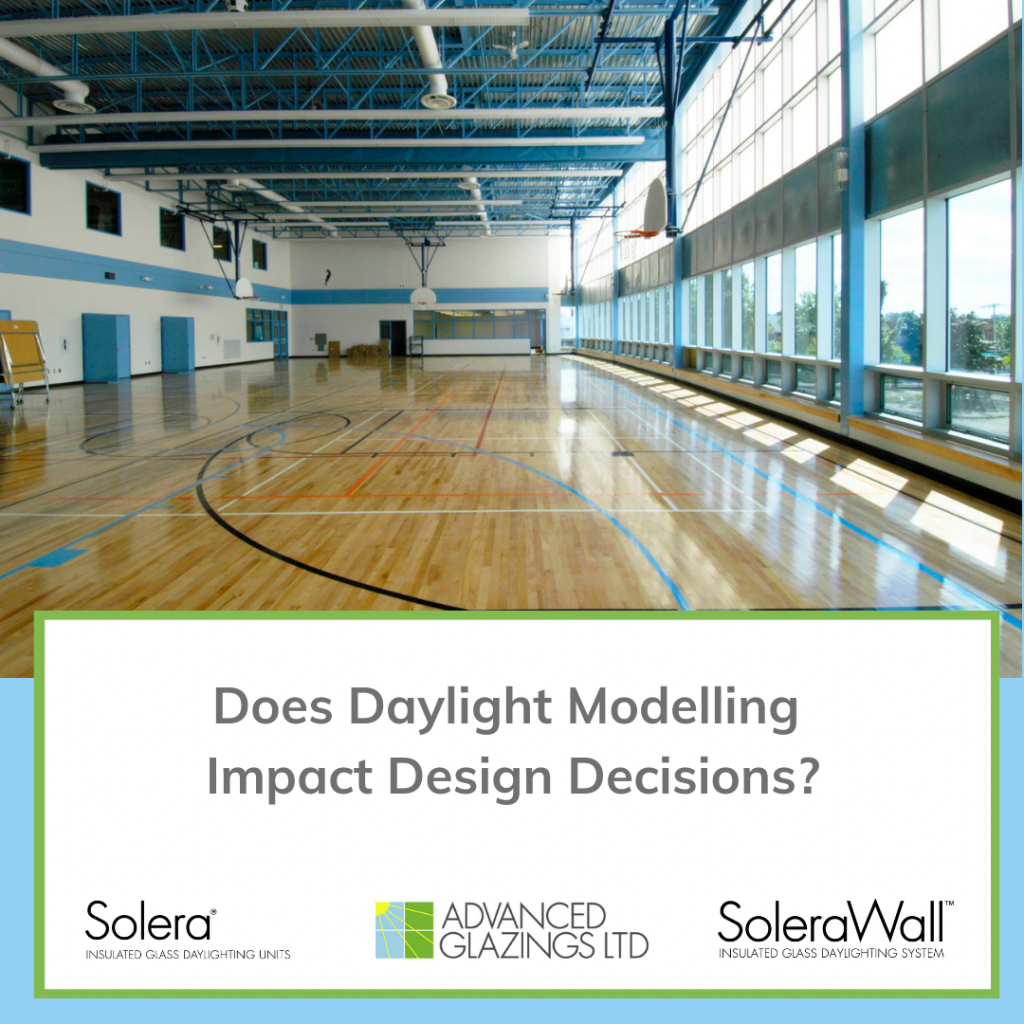
Daylight modeling reveals what the human eye can’t see—the invisible problem of glare and contrast that makes spaces uncomfortable.
Why Architects Model Daylight Before They Build
You can’t see glare on a blueprint. You can’t feel thermal discomfort in a rendering. And you can’t predict occupant misery from a spec sheet. That’s why architects use daylight modeling—to identify problems before they become permanent.
Daylight modeling is a tool architects use to assist them in the effective use of natural daylight, creating comfortable interior spaces for occupants while reducing requirements for electric lighting, heating, and cooling demands. Done early in a building design, it helps architects identify potential problems within interior spaces such as excessive glare and contrast, and gives them the ability to virtually model different design options to identify the right combinations that will comply with specific codes such as ASHRAE 90.1 and IECC and achieve credit points for sustainability programs.
The Tool: Radiance Ray-Tracing
Advanced Glazings Ltd. conducts daylight modeling simulations using Lawrence Berkeley National Laboratory’s Radiance. Radiance is a highly accurate ray-tracing software used by architects and engineers to predict illumination and evaluate designs and daylighting technologies. Radiance daylighting simulations demonstrate how specific products—such as vision glass or translucent glazing—will perform in a space, identifying any glare or contrast issues that would arise with a specific product or glass configuration.
Daylighting is the practice of using controlled natural light to illuminate a space. It is part science and part art. If done correctly, the end result is a space that minimizes the use of artificial lighting, reduces carbon emissions, and positively affects the performance, mood, and well-being of the occupants.
The Problem: Vision Glass Creates Glare
To understand the power of daylight modeling, take a look at the model below of Loretto College in Toronto, Ontario. This is a false color representation of the light levels in the space, generated by Radiance. Vision glass is used as the primary source of daylighting on the windows above and below.
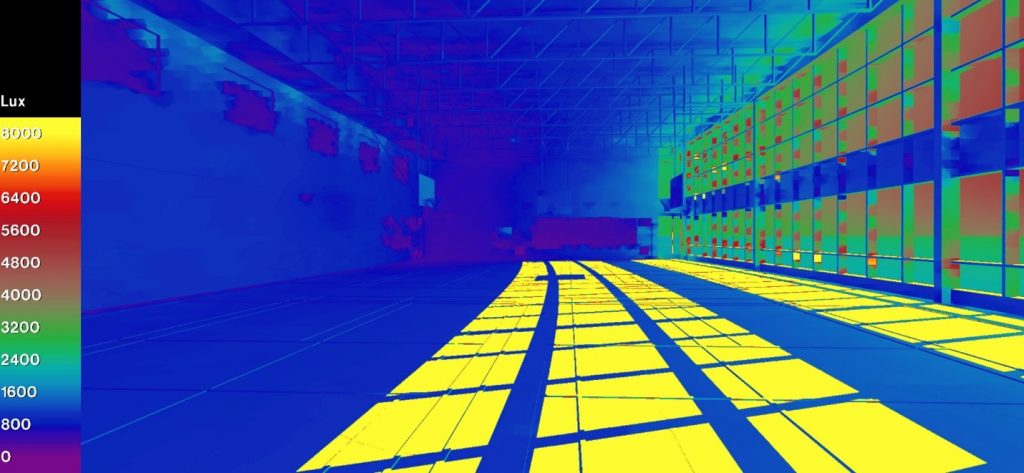
False color representation showing extreme contrast and glare from vision glass. The bright yellow/white areas indicate excessive light levels, while the blue areas remain dark.
What the Model Reveals
It is easy to see the glare issues that will arise from the extreme contrast ratio. The bright patches on the floor indicate light “dumping” rather than diffusing. There would need to be curtains and/or blinds on the vision glass to make this space fully functional—which defeats the purpose of having windows in the first place.
The Solution: Solera® Diffuses Light
The second model, pictured below, is also Loretto College—but in this model, Solera® is used on the top area instead of vision glass.
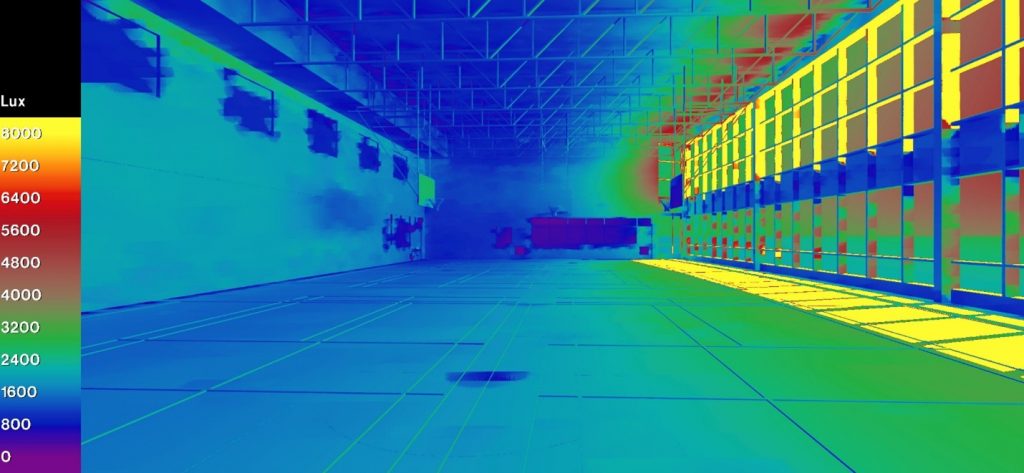
With Solera® on the clerestory, the glare is gone and the contrast ratio is significantly reduced. Notice how the light reaches the far wall—this is the power of diffusion.
What Changed
The glare is gone, and the contrast ratio is significantly reduced. This allows the space to be functional without curtains and/or blinds. Also notice that the wall on the opposing side of the Solera® has a lot of light on it—this shows just how powerful Solera® is at dispersing daylight throughout the interior space. The light doesn’t dump on the floor; it spreads evenly, creating a comfortable, usable environment.
When vision glass is paired with Solera® engineered light diffusers and located in strategic positions in the structure, the result is a space that is full of diffuse natural daylight, thereby reducing contrast (glare) and increasing the overall ambient light level as compared to the use of vision glass alone.
The Result: As-Built Loretto College
The photo below shows the completed Loretto College gymnasium. The daylight modeling predicted the outcome with remarkable accuracy—the space is bright, comfortable, and glare-free.
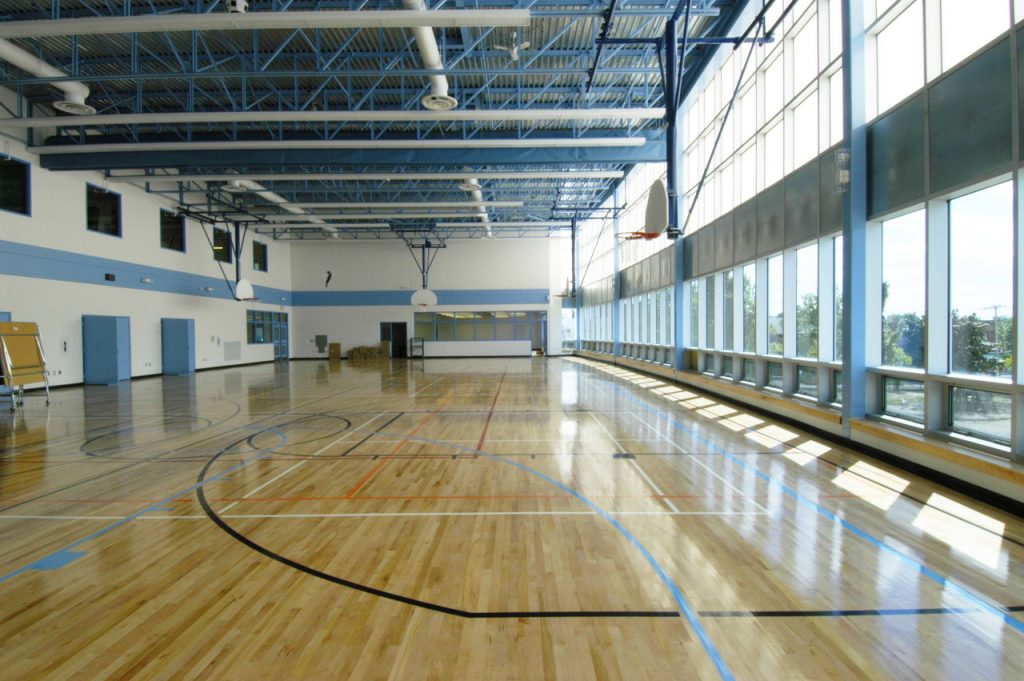
The as-built Loretto College gymnasium. The Solera® clerestory delivers exactly what the model predicted: even, diffused daylight without glare.
What Else Can Daylight Modeling Reveal?
Daylight modeling can also identify obstructions such as surrounding buildings or any other unique obstruction that could have an impact on your design. Furniture, cars, and people can all be added to a model to make simulations as realistic as possible, helping architects to refine designs and present clients with a visual of what their building and interior spaces will look like.