Metal Buildings Are Built for Efficiency.
Now They Can Be Built for People, Too.
Metal buildings are one of the most efficient, versatile structures in construction. As they evolve from storage facilities into workspaces, manufacturing floors, and community hubs, humans move in — and humans require daylight to function optimally. The traditional answers to that challenge each come with a trade-off. There is now a better way.
The Problem With the Dark Box.
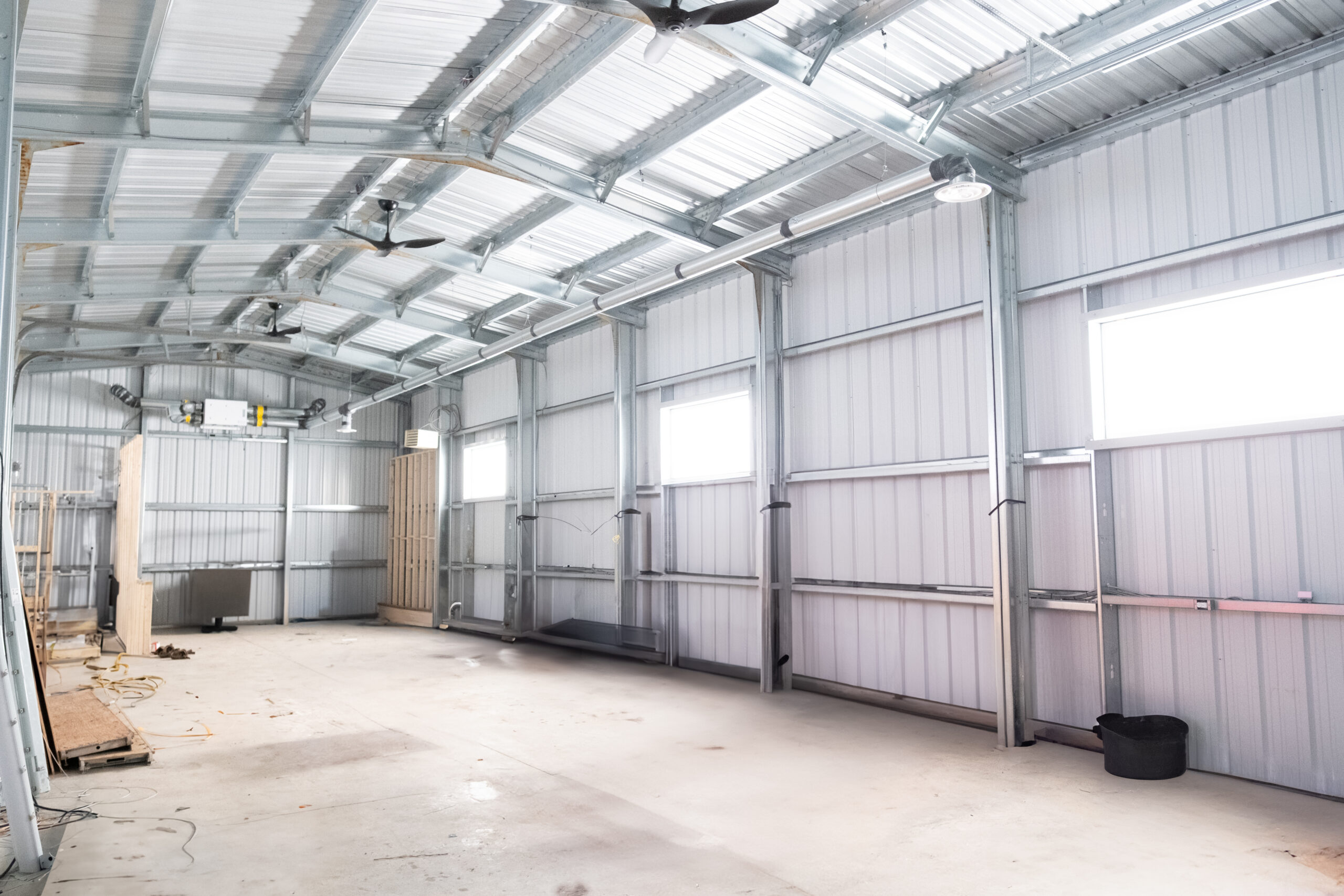
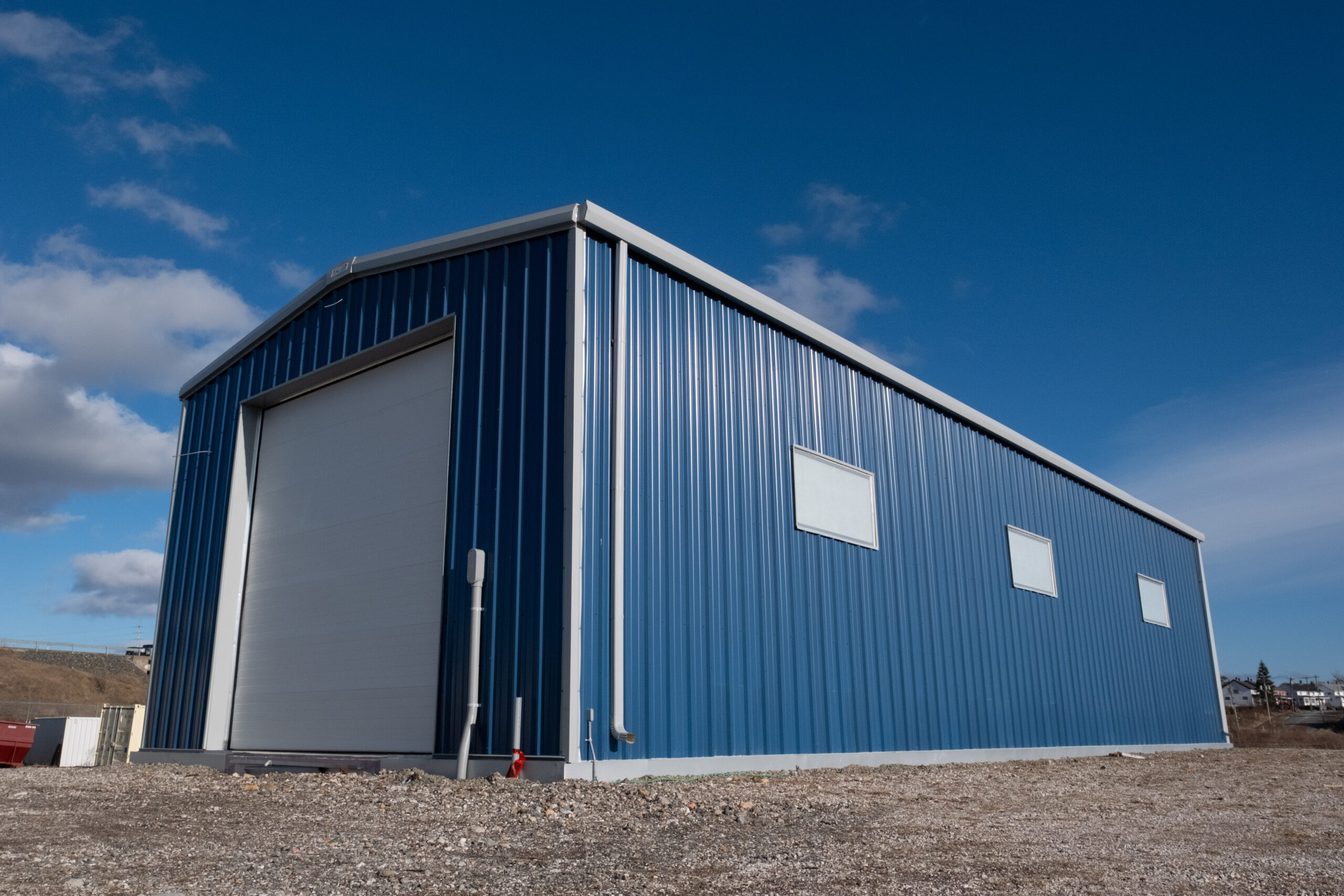
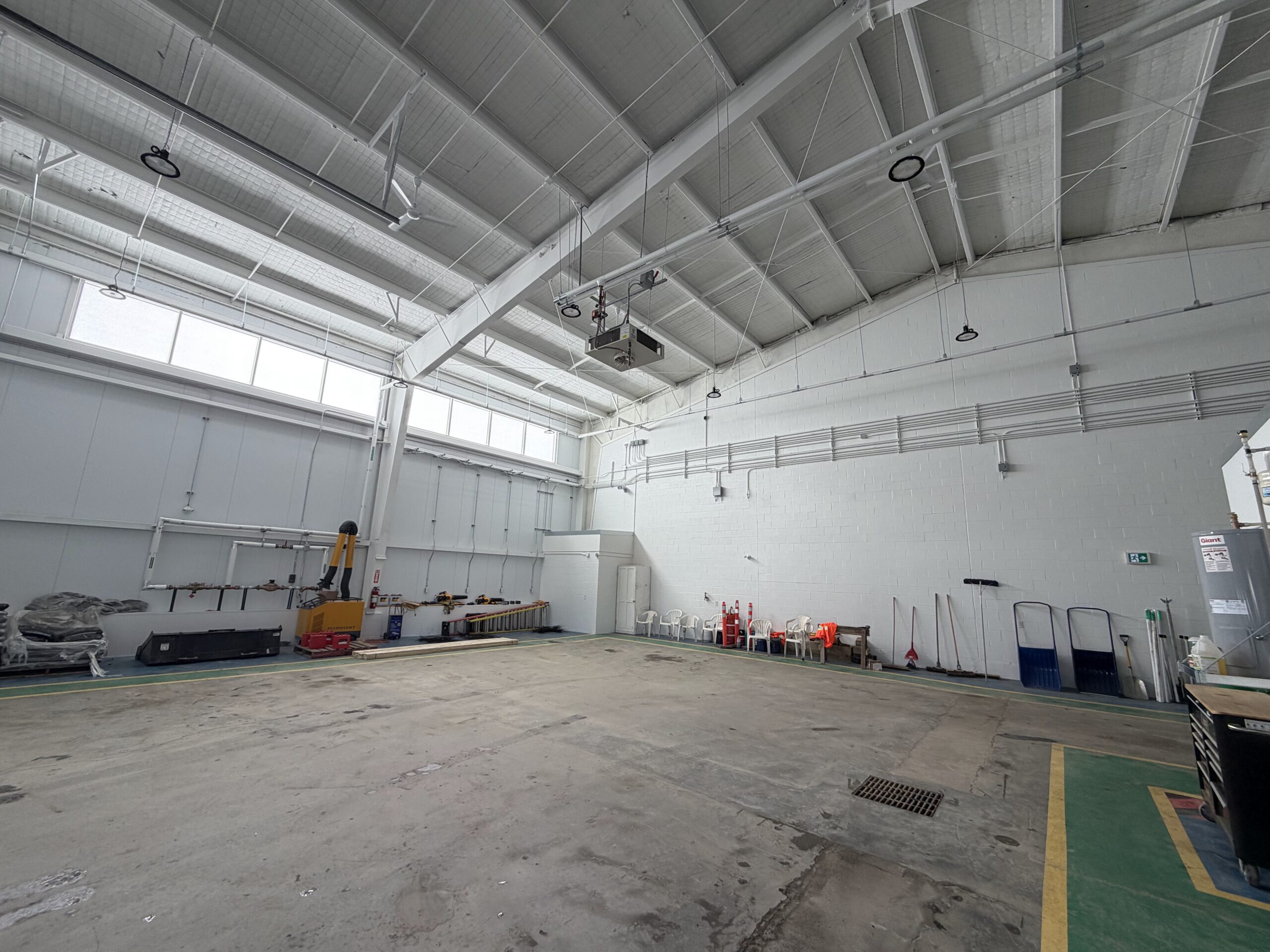
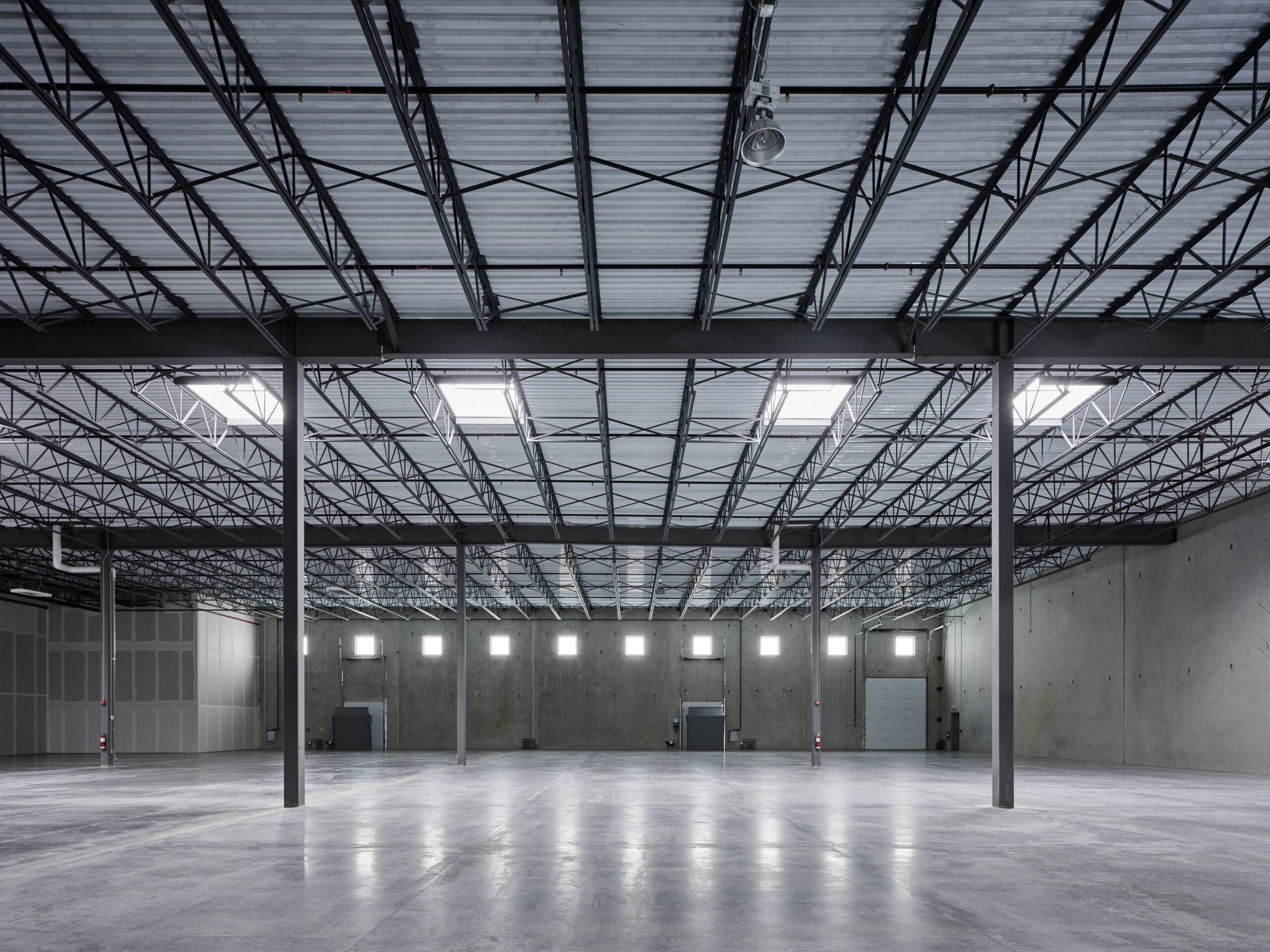
Metal buildings are thermally excellent precisely because they are opaque. That’s a feature, not a flaw. But the moment people move inside, priorities shift. The default workaround is to flood the dark box with artificial lighting — an operational expense that creates a sterile, fatiguing environment. Humans need real daylight to thrive. The challenge isn’t recognizing that fact; it’s finding a way to bring daylight in without adding glare, solar heat gain, or maintenance liabilities to the envelope.
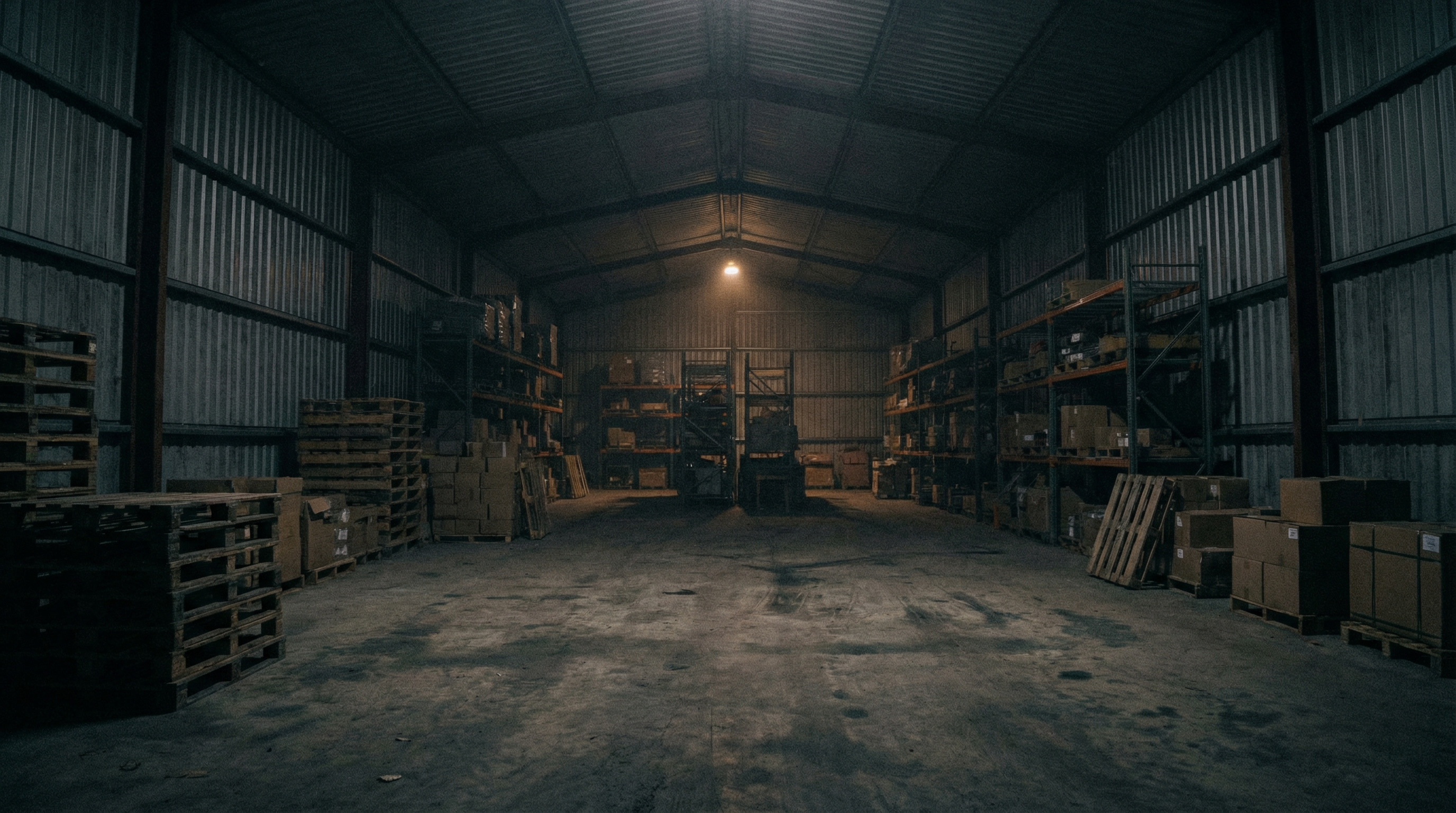 Before: The Dark Box
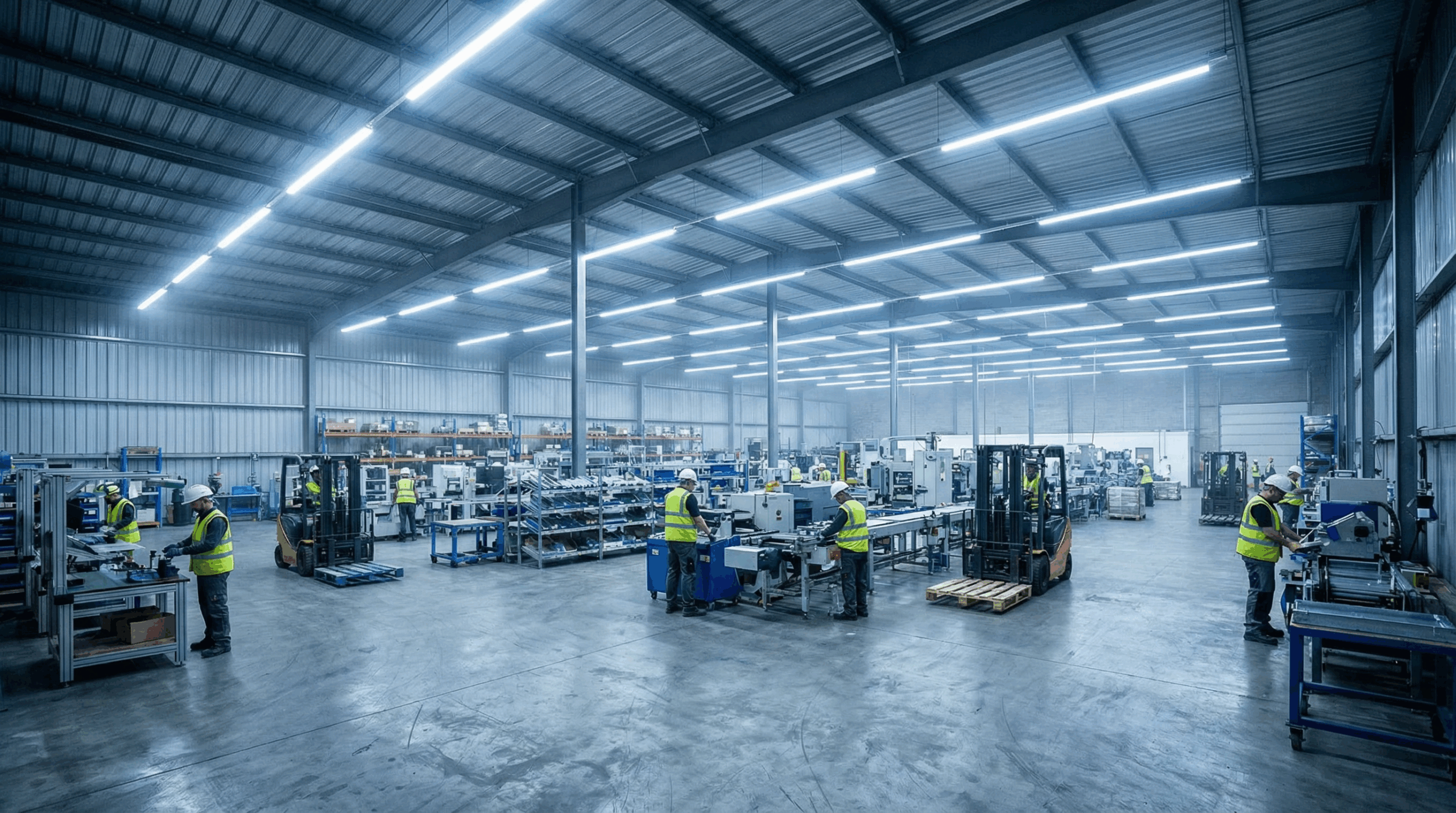 The Artificial Light Workaround
So You Punch a Hole in the Envelope.
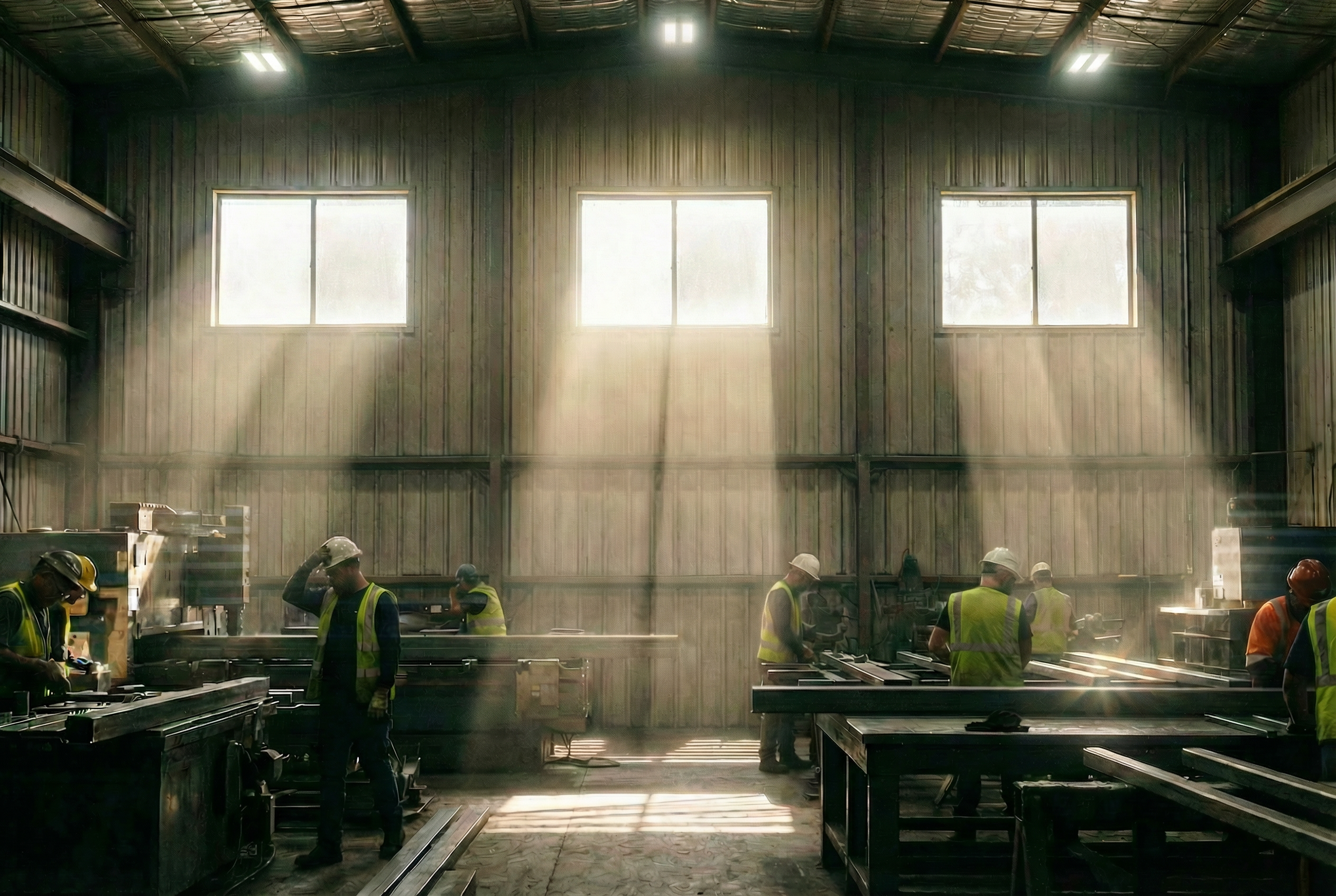
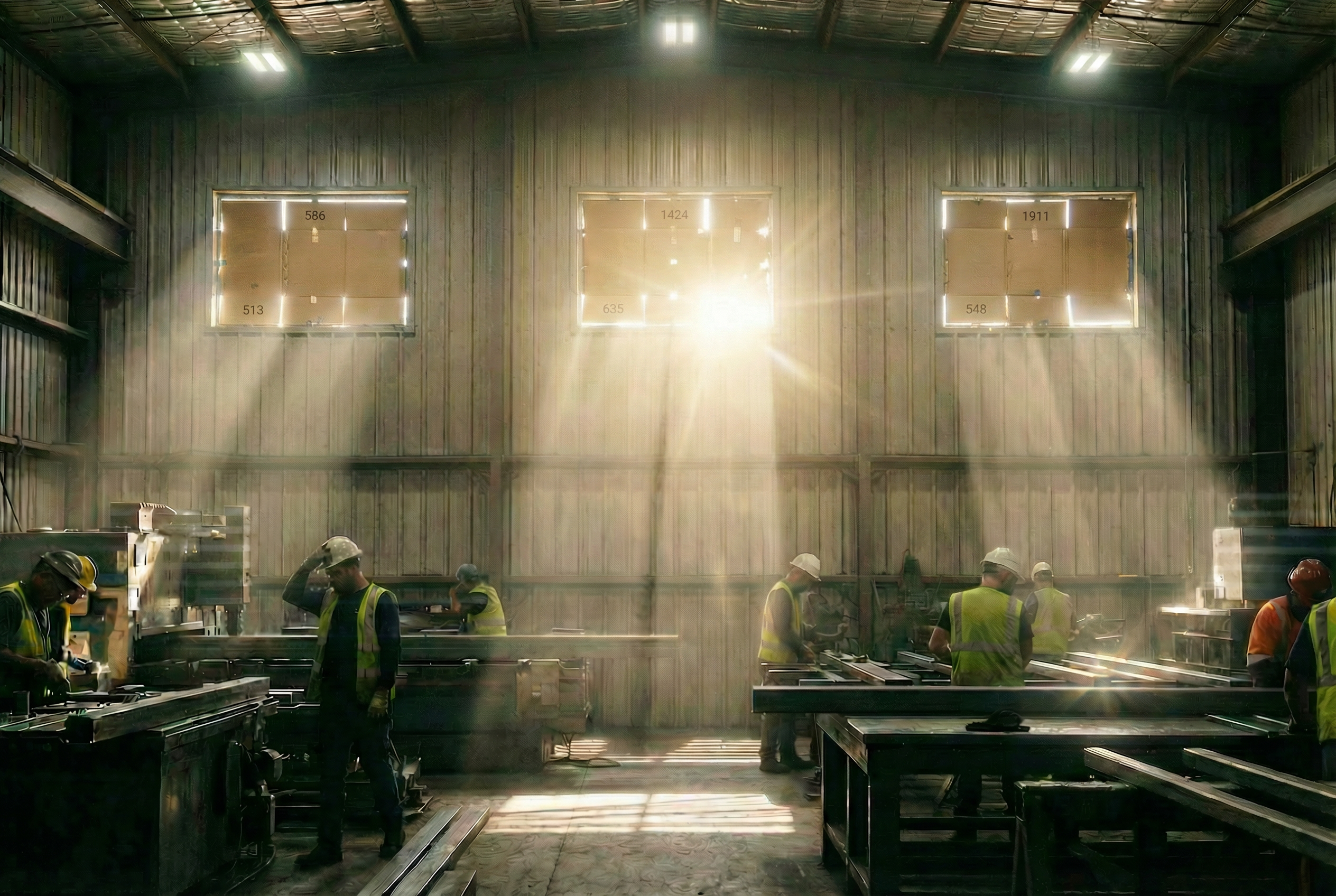
It’s the obvious move. And it works — until the glare hits, the heating bill climbs, and someone tapes cardboard over the window.
 Vision Glass
The Obvious Answer
Clear Glass
It’s been around forever. It works. People feel connected to the outside, the space feels open, and natural light floods in. Clear glass is the most familiar choice in construction — and for good reason.
So you spec it, you install it, and the building feels alive. Problem solved, right?
 Sun Blocking Attempts
The Reality
Not Quite.
Clear glass lets everything in. On a bright day, the glare off the floor is a safety issue near machinery. Screens go unreadable. Workers move away from the windows. So someone grabs whatever is available — a blind, a piece of cardboard, a can of paint. Not a spec decision. A survival decision. It happens in every industry, in every climate. People don’t block windows because they want to — they block them because they have to. And once it’s covered, you’re right back on artificial lighting.
You paid for a window and ended up with an inefficient wall.
 FRP, Polycarbonate & Plastic
The Translucent Attempt
FRP, Polycarbonate & Plastic Panels — Right Idea, Wrong Material
Someone figured out that diffused light was the answer — not clear glass. Translucent panels spread daylight evenly, kill the glare, and perform better thermally. No blinds. No hot spots. Right direction. The category spawned three common products: fibreglass-reinforced plastic (FRP), polycarbonate, and various plastic panel systems. All three are essentially single-use plastics — they yellow, degrade, leak, and need replacing in 10 to 20 years.
Looks like savings up front. Turns into a capital expense on a timer. The category was right. The material wasn’t.
The Ideal Translucent Glazing
The ideal translucent glazing is glass-based. It diffuses daylight without glare, won’t yellow or degrade like plastic, and adds long-term value to your building. Advanced Glazings Ltd. has been engineering glass-based translucent glazing systems for over 35 years. Introducing the Solera® line of products.
Solera® Translucent Glazing Units
Fits standard window, storefront, and curtain wall framing. Spec it like any other glazing unit and get glare-free daylight in return. R-values from R-3 to R-25 give you real thermal control. Workers stay comfortable, screens stay readable, and the lights stay off during the day.
This is daylighting as a component.
Explore Solera®
SoleraWall® Translucent Panel System
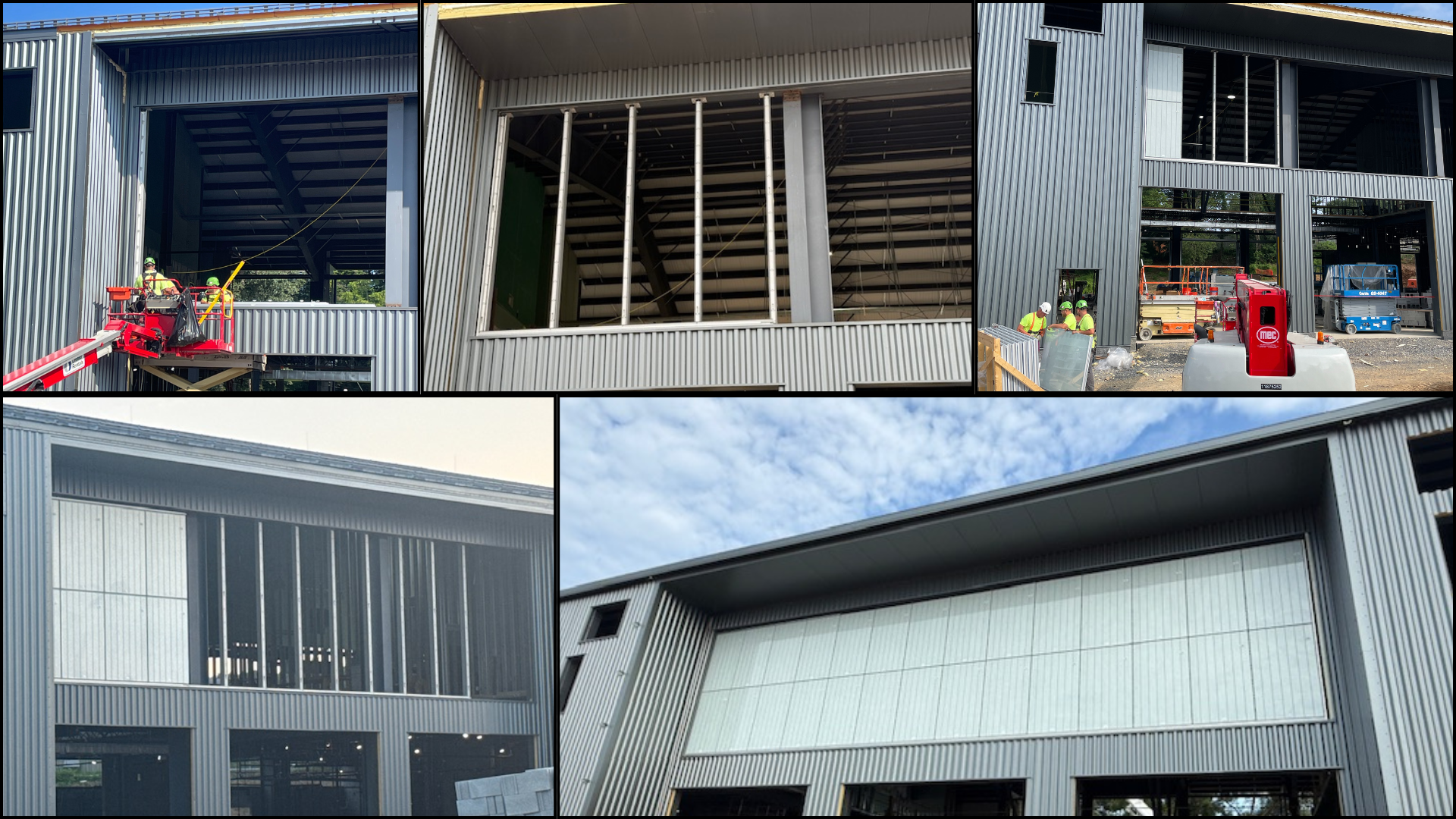
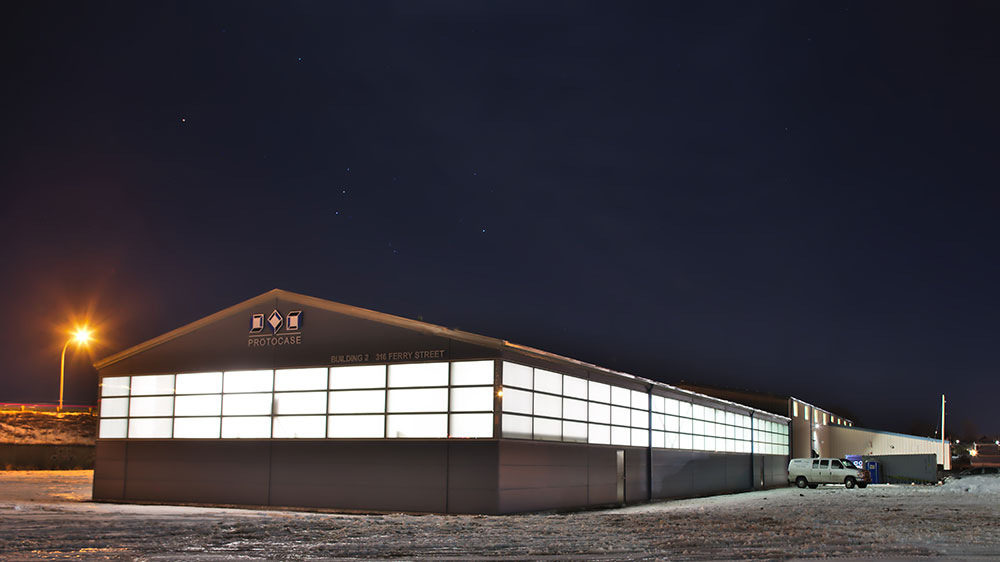
A frameless, panelised translucent wall system that attaches directly to the primary structure of the building — no secondary framing required. Ideal for large openings, full feature walls, continuous clerestories, and seamless integration with Insulated Metal Panels (IMPs). Delivers the scale and aesthetic of curtain wall at a fraction of the cost and complexity, installed by the same crew already on site.
This is daylighting as structure.
Explore SoleraWall®
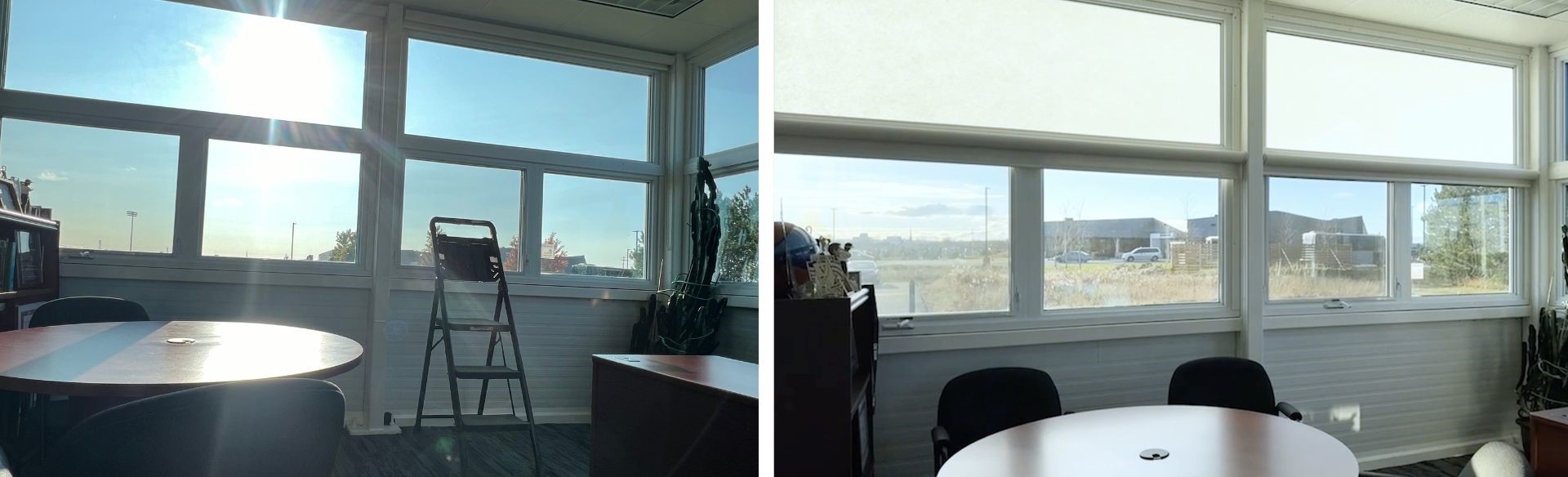
Glare Repair®
Already have clear glass and dealing with glare — but not ready for full replacement? Glare Repair® is a permanent, post-occupancy fix applied to the interior of existing IGUs. No blinds. No films. No cardboard. Just the glare gone, permanently, without touching the envelope.
This is daylighting corrected.
Explore Glare Repair®
The Overlooked Bonus That Contractors Love
Specialty glaziers are expensive, hard to schedule, and add sequencing risk.
SoleraWall® is designed to be installed by the crew already on site.
SoleraWall® attaches directly to the primary structure — no secondary framing, no specialty glazier. Most metal building erectors can install it themselves, the same week they are already on site.
Fewer Trades. Cleaner Sequencing. Less Schedule Risk.
The Building You Spec Is Someone’s Workplace.
The envelope decisions made at design time determine what it feels like to work inside that building for the next 30 years. Daylight is not a luxury feature — it is a direct input to productivity, safety, and retention.
16%
improvement in productivity in daylit work environments
Heschong Mahone Group
6.5%
reduction in absenteeism linked to improved daylighting
CIRCADIAN Research
73%
of employees say access to natural light improves their wellbeing at work
Future Workplace Survey
Glare-free daylight isn’t a feature, it’s a performance metric.
Buildings that work for their occupants work better as assets.
High Performance. High Value. No Compromises.
Adding high-quality daylight doesn’t just improve the interior experience — it transforms the exterior aesthetic from utilitarian to premium. That shift increases property value, attracts better tenants, and elevates your building’s identity in a way that a dark metal box never can.
Your Shed. Your Rules. No Dark Box.
The Outlier Shed is what happens when a metal building stops being storage and starts being the best room you own. Bright, private, and built to last — with Solera® glass, not plastic. The cost difference is smaller than you think.
See the Outlier Shed ›
Better Buildings for Better Humans
What does it actually take to build a high-performing, human-centred building? We ask the people who know — building owners, facility managers, health researchers, structural engineers, and sustainability experts share what they have learned from real projects and real occupants.
Episodes cover the science of light and human health, the hidden ROI of daylighting, how building envelope decisions affect long-term asset value, and why the buildings that perform best for people also perform best financially.
Listen Now
Ready to Bring Real Daylight Into Your Next Build?
Whether you’re designing a new facility or upgrading an existing one, our team can help you find the right glazing strategy for your envelope. Not sure how much glazing you need? We can model it — showing you exactly where to place it and how much light you’ll get before anything is built.